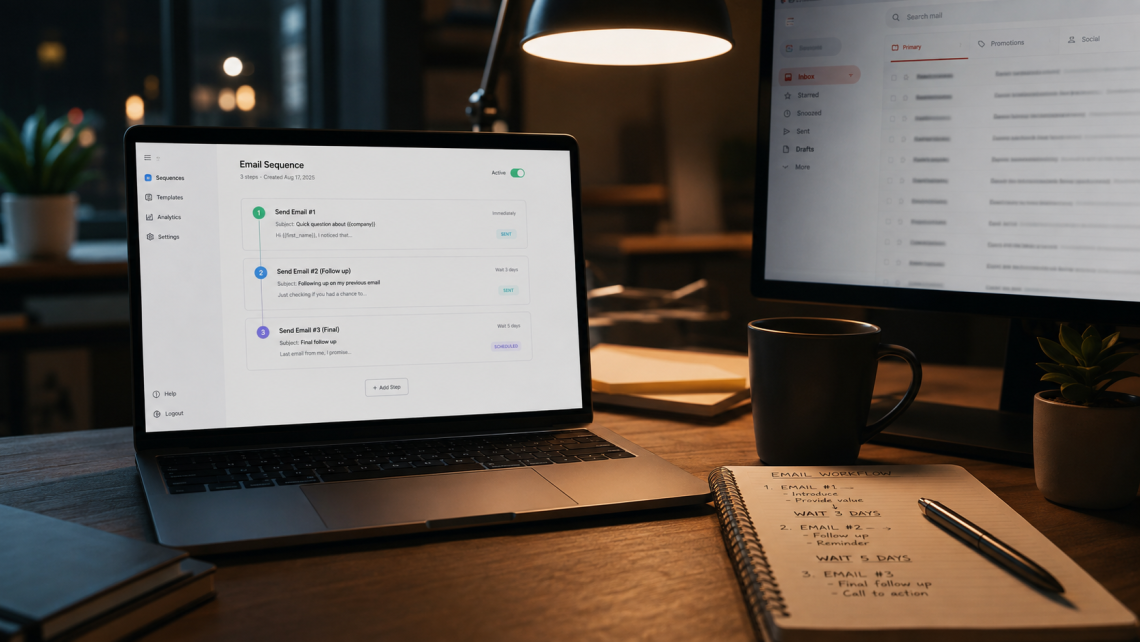
TL;DR There’s a habit I’ve picked up lately: looking closely at newsletters that land in my inbox. It’s not the content that catches my eye — it’s the design. Many of them look simple, not overloaded with color, not packed with images, with clean typography and comfortable spacing between elements. Altogether they feel professional. I then wondered: if they can send emails like that, why can’t I? This Idea Started from a Personal Need I wasn’t looking for a new project idea. I simply wanted emails that looked cleaner when I messaged clients. My mental model was simple: build an…
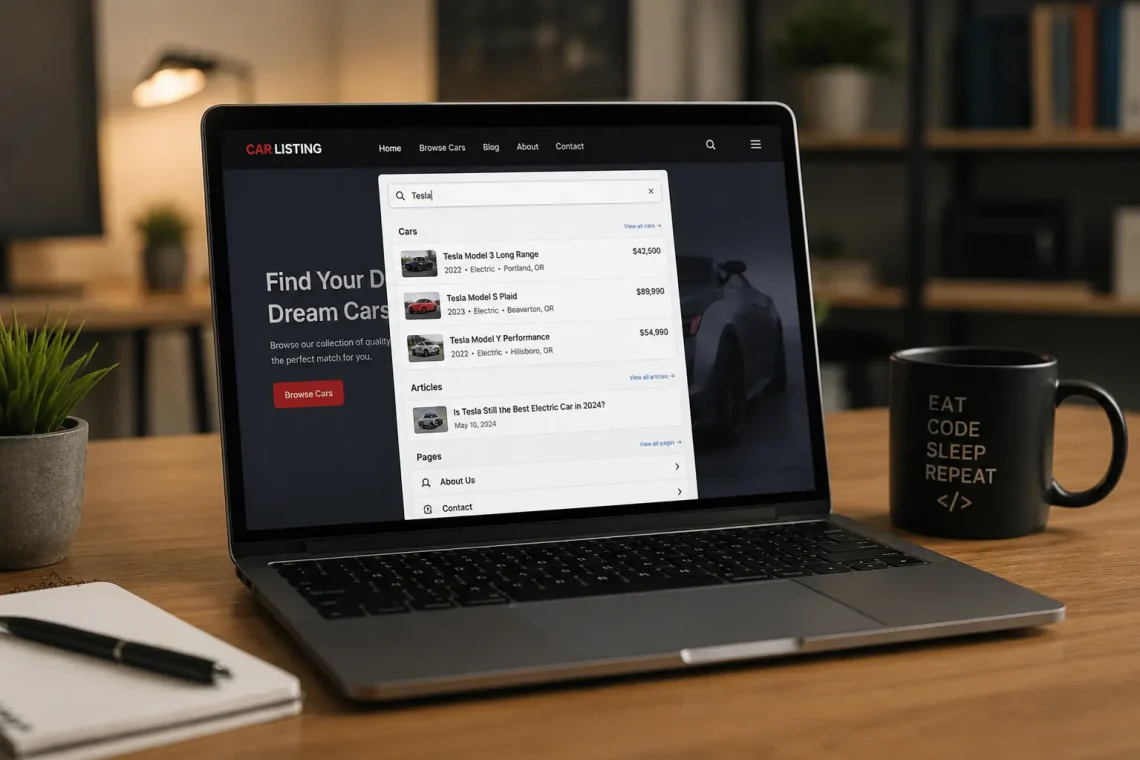
Almost every custom WordPress site I work on has different requirements. Some are company profiles, directories, or knowledge bases. Others are internal company sites with thousands of records. But no matter the project type, I kept noticing the same pattern. Sooner or later, a client would ask, “Can we make the search a bit smarter?” What’s interesting is that they never asked how I would build it. They didn’t care whether I used WP_Query, the WordPress REST API, or something else entirely. All they cared about was one thing. If they couldn’t find what they were looking for, the search…
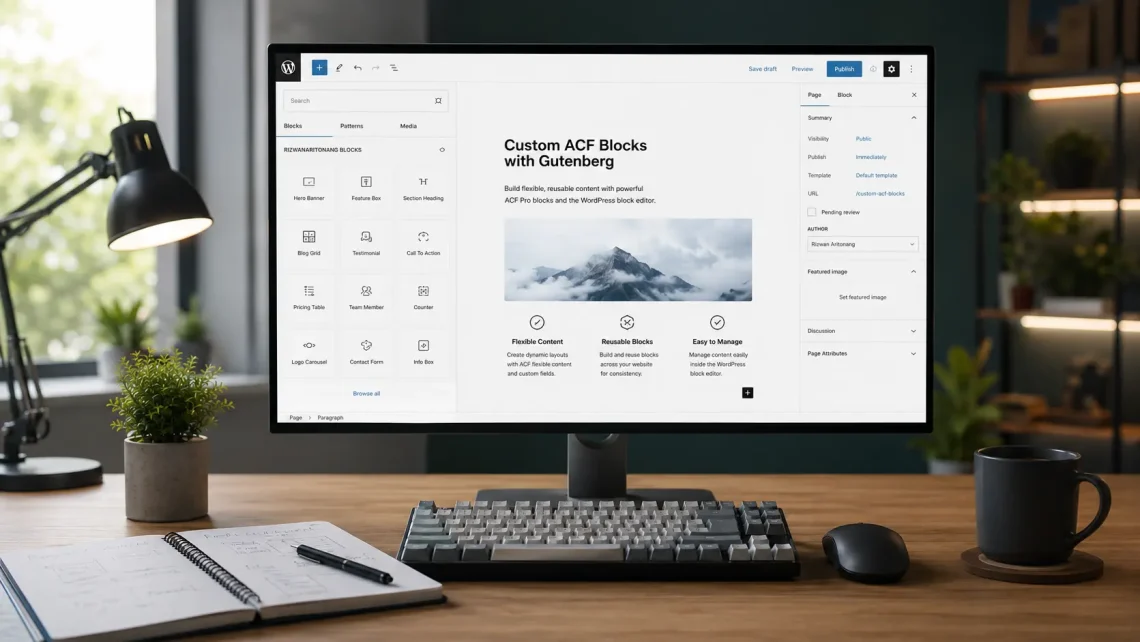
Custom Gutenberg Block ACF Pro became the solution I built when content creators needed flexible writing tools, but I did not want to get stuck writing React or overly complex JavaScript blocks. Gutenberg already provides a strong foundation, yet the default blocks often fall short for the specific content structures used on client websites. This article is a case study from my personal experience, not a generic tutorial. I will walk you through the implementation process, from the reusable block foundation and dynamic registration to custom categories, InnerBlocks examples, ACF fields, and PHP rendering. Let’s dive in. The Challenge I…
TL;DR Many developers jump straight into Vite, Webpack, or a starter kit when they start using Tailwind CSS. That approach is modern — but not always necessary. Most of the WordPress projects I work on are custom PHP-based themes. The structure is simple. I do not need Hot Module Replacement or a complex development server. What I do need is fast CSS compilation, reliable file watching, and livereload so design iterations feel effortless. My solution: Tailwind CSS CLI for building CSS, Prepros for everything else. I have used this combination across multiple projects, and it remains my go-to workflow to…
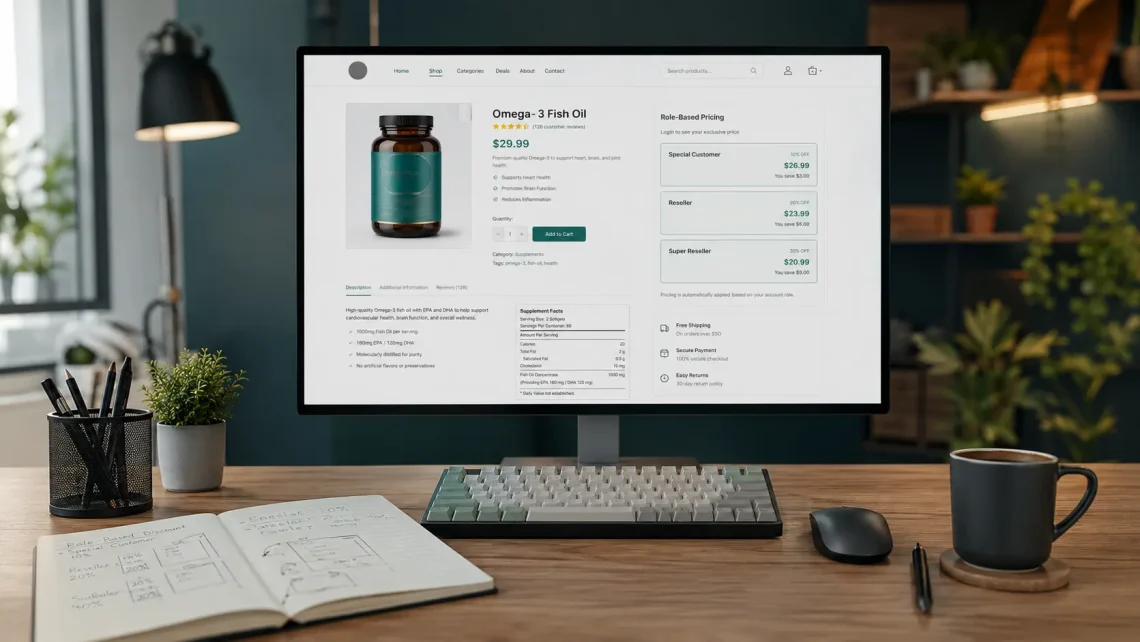
Role-Based Discount WooCommerce became the solution I built when a beverage shop owner needed tiered pricing without spinning up separate stores or relying on overly rigid discount plugins. This article is a case study from my personal experience, not a generic tutorial. I will walk you through the implementation process, from setting up the environment to testing the final product. Let’s dive in. Development Environment Setup Before writing any code, I set up a clean development environment so iterations could stay fast and isolated. I installed LocalWP for local WordPress development because it makes creating separate WordPress installations straightforward. I…
TL;DR WordPress offers a very flexible navigation system. By default, however, the same menu is shown to every visitor, whether they are logged in or not. On many types of websites, that default behavior is less than ideal. For example, a membership site usually wants to show a Login button to visitors who do not have an active session. After the user signs in successfully, that button is replaced with Profile, Dashboard, or Logout. With this approach, navigation becomes simpler. The user experience also becomes much better. The good news is that you do not need to build this system…